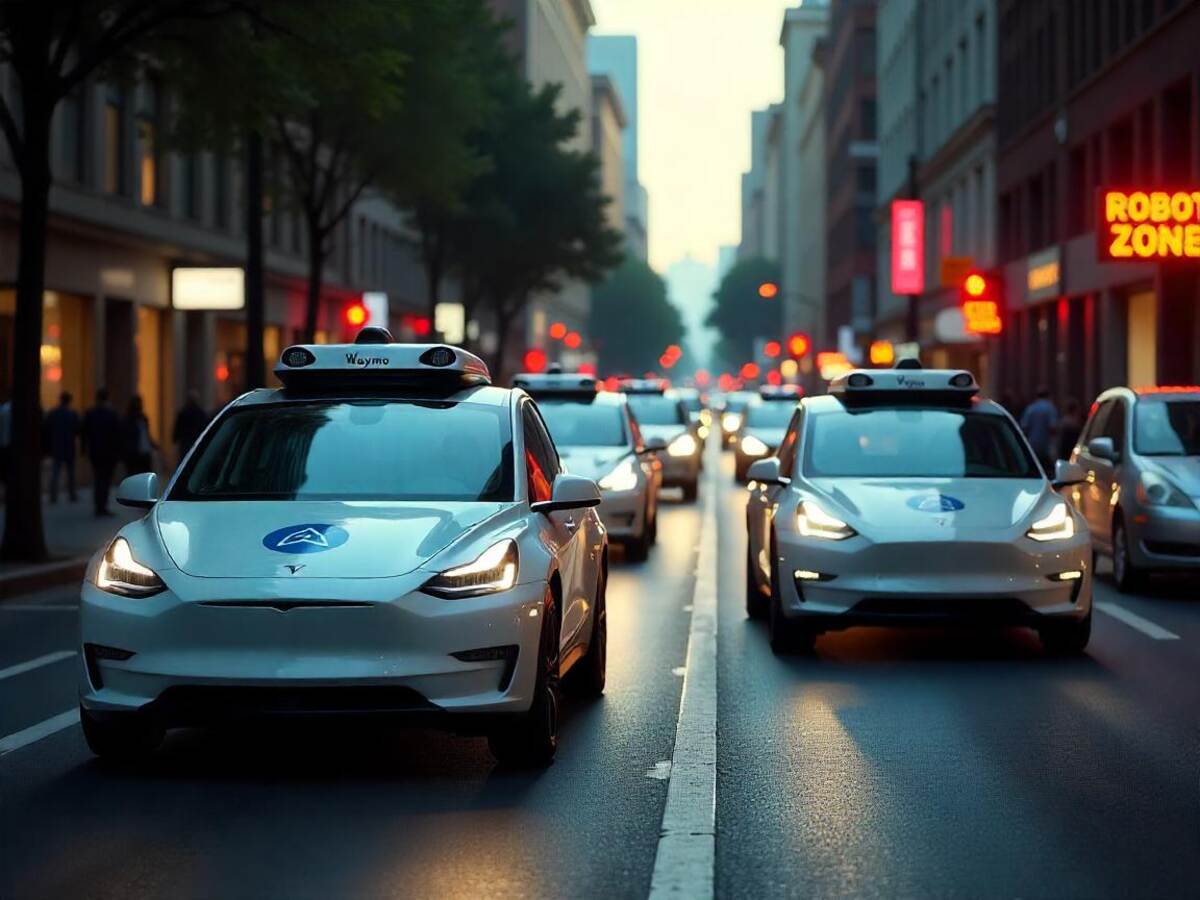
A city street service can be requested by a person as a driverless vehicle gracefully appears beside them. The current science fiction aspect about robotaxis appears through artificial intelligence (AI) along with autonomous vehicles that transform urban transportation networks. Self-driving vehicle manufacturers including Waymo and Tesla and Cruise operate robotic fleet services which now operate in areas of Phoenix and San Francisco and Austin. AI-powered robotaxis face the challenge of understanding how they will break existing ride-sharing revenue systems and what economic effects will occur across the board.
The Ascent of Robotaxis: From Concept to Concrete
Experimental prototype autonomous vehicles evolved into operational fleets through a mix of important developments and technical difficulties. Waymo established itself as the pioneer of this domain through its ownership within the Alphabet organization. Waymo increased its operations during 2025 to offer more than 200,000 weekly paid rides that accumulated to one million miles across Phoenix, San Francisco and Los Angeles. The company has set goals to introduce its services across Austin, Texas and Miami, Florida alongside Tokyo, Japan.
Elon Musk assumes leadership at Tesla while the company progresses substantially. From the beginning of 2024 to present day Tesla has conducted internal tests of their ride-hailing application by using Model 3 and Model Y vehicles paired with supervising drivers. Through its Full Self-Driving (FSD) technology Tesla plans to introduce autonomous ride services for the purpose of displacing human-driven ride-sharing services.
The journey presented some obstacles on its way. Cruise division under General Motors underwent extensive difficulties which forced it to suspend its robotaxi service operations. Cruise spent considerable resources to advance autonomous vehicles while facing roadblocks with technology precision along with financial stability and regulatory acceptance that proved the scale of self-driving vehicle solutions is highly complex.
Challenging Traditional Revenue Models
The entry of robotaxis poses a serious threat against the generation of revenue which conventional ride-sharing companies like Uber and Lyft have built their businesses upon. Ridesharing platforms throughout history exercised a commission system whereby they deducted money from fares charged to human driver-provided services. Autonomous vehicles as a possible introduction threaten to wipe out human drivers which would shift both the operating budgets and monetary streams of these businesses.
The experts fear that Lyft faces substantial threats as the industry changes. Bank of America delivered a downgrade to demonstrate that Lyft faces substantial risk from autonomous vehicles especially because Waymo continues to expand through important markets including San Francisco and Los Angeles. The market extension by competitors directly undermines Lyft’s business control and reduces its potential profits.
The ride-sharing sector faces escalated competition since Tesla decided to enter this market. Investors reacted negatively to the announcement of Tesla’s Texas and California services through their purchase or sale of Uber and Lyft stock because they saw this as an indication Tesla would break the current duopoly.
Economic Ripple Effects: Labor and Urban Dynamics
Autonomous ride-sharing revolution establishes broad effects upon labor sector employment and the economy of urban areas. More than million people around the globe maintain their income through ride-sharing platform services. Robotaxis on a widespread scale would create major workplace elimination thus generating economic equality and job security issues.
The employment sector could develop new positions which entail maintaining fleet vehicles and supervising AI-operated systems as well as offering customer support for robotaxi programs. Urban infrastructure requirements change as autonomous fleets enter service because traffic patterns need reform and public transportation needs integration with autonomous vehicles.
Expert Insights: Navigating Profitability and Ethics
Multiple experts from the industry agree about the difficult task of turning autonomous vehicle services profitable. WeRide plans to achieve profitability within five years yet remains uncertain about profit goals due to changing regulations and their requirement to invest greater funds. Critics estimate that robotservice enterprises require at least 2028 to reach profitability because of their high software development expenses and upkeep requirements and research and development costs.
People have moral concerns about autonomous ride-sharing because shifts in driver safety levels combine with legal responsibilities while consideration exists for how society replaces manual operators. Companies and policymakers jointly need to weigh technological growth against social duties as a matter of critical importance.
Conclusion: Steering Through Uncharted Terrain
AI combined with robotaxis has established itself as a fundamental business transformation which creates broad-ranging economic effects along with social consequences. Traditional revenue sources undergo threats and labor forces and city environments prepare for important changes. The current time demands stakeholders from companies alongside regulators and the public need to conduct thoughtful dialogue and proactive planning. The path we are walking remains unknown yet we can expect it to deliver secure, effective and accessible urban mobility services with proper management.