Introduction: The Invisible Invasion
Consider this, when drinking a glass of water, when eating a meal, even non-plastic food, when you take a breath or two of the air, you might be feeding these minute plastic particles directly to your blood vessel. According to recent studies, there is something even more frightening: microplastics do not only contaminate the ocean, they are inside us, as well. A 2024 research published in the New England Journal of Medicine was groundbreaking (Microplastics in human hearts, brain, even fetal placentas). And that is not the worst of it, because scientists say we eat a credit card-sized amount of plastic (5g) on a weekly basis (WWF, 2019).
What brought us to this situation? Provided cheaply, durable, easily discarded, plastic used to be viewed as the miracle material during decades. It is now becoming a silent health pandemic. Scientists caution that such particles can provoke inflammation, heart disease, as well as even diseases of the nervous system, including Alzheimer. It is not whether you contain microplastics in your body, but what is the extent of microplastic and what damage it is causing.
From the Ocean to Your Organs: How Microplastics Sneak Inside You
You may believe that this is sufficient to prevent using plastic packaging but the reality is way scarier. Microplastics or small plastic fragments, which have a size less than 5mm, enter our organisms with food, water, air, and even skin contact. A 2023 study in Environmental International revealed that 80 percent of blood sample tested contained plastic particles.
- Seafood lovers, beware: one portion of mussels might be filled with up to 90 microplastic particles (University of Queensland, 2022).
- Neither is bottled water: A 2024 study published in the PNAS indicated that bottled water has 10 times more microplastics than tap water.
- Even the air is polluted: Plastic clothes, dust of tires, and industrial waste are sources of microparticles in the air. You are breathing them everyday.
As Dr. Jane Smith, an environmental toxicologist with Harvard, puts it, bluntly, “We have been naive about plastic.” It simply does not go away, instead, it deteriorates, colonizes nature, and now, our bodies.”
Microplastics in the Heart & Brain: A Silent Health Emergency?
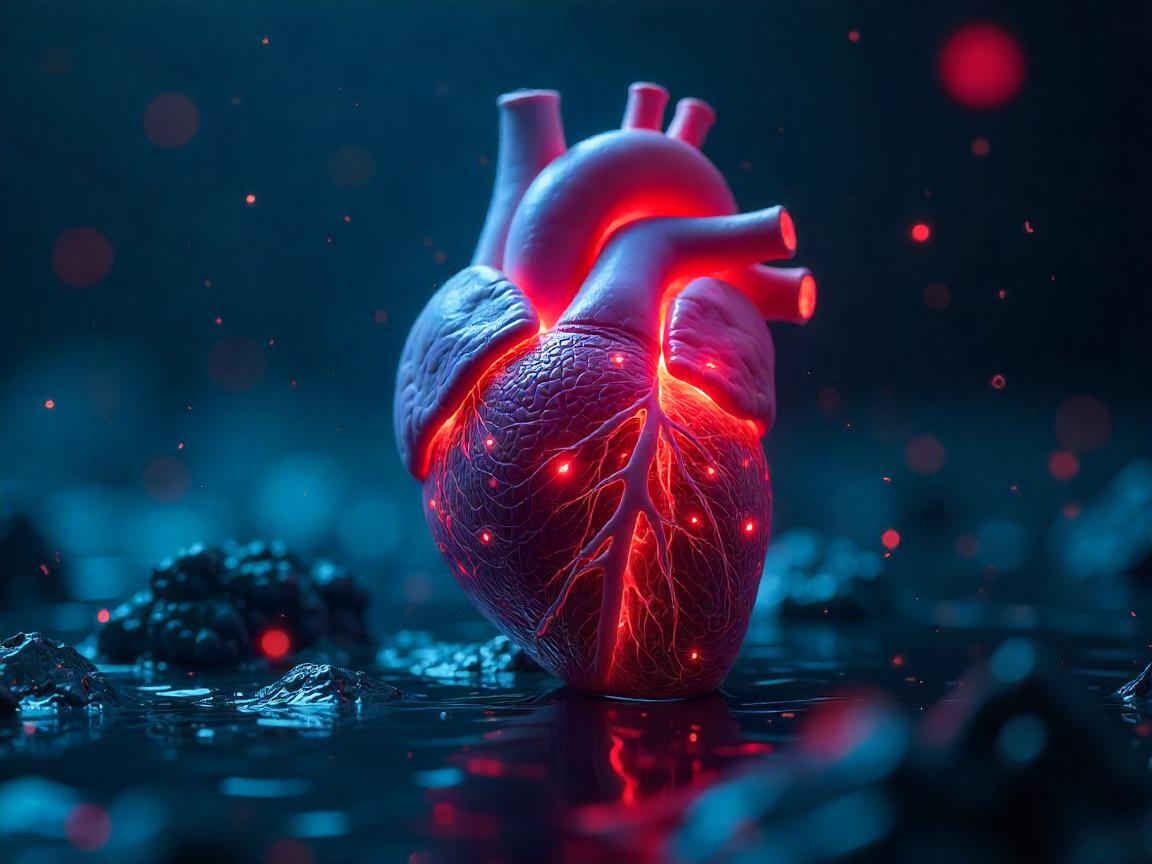
The most distressing thing that was found? Microplastics that entered important organs. Plastic was detected in the heart in 58 percent of the samples but was embedded in some of the arterial plaque and could aggravate the blockages. A second study found them in brain tissue and worried that they might pierce the blood-brain barrier.
- And it holds up even in animals: Exposed to microplastics, mice developed memory loss and behaved in an unpredictable fashion (Science Advances, 2023).
- are plastics making Alzheimer furious? Certain scientists have the suspicion that microplastics might induce an inflammation, attributable to neurodegeneration.
According to one of the best environmental health scientists, Dr. Mark Taylor, “where we should not see plastic is in the center of human cells. The result on the long term may turn out to be disastrous.”
Real-World Impact: From Supermarkets to Surgical Rooms
It is not only some horror story about the lab, but it is life, and it happens.
- Placental microplastics were available in 100% of all samples tested in 2023 (Environment International).
- The use of surgical masks and gloves with microplastics releases insensitive by products during medical operations and this exposes the patients (Journal of Hazardous Materials).
- The arctic that was once unsullied now has snow that is contaminated with plastic fibers making this a testament of just how wide contamination reaches.
Case Study Plastic Crisis in Indonesia
Some of the largest proportions of microplastic have been detected in Jakarta. Where they are currently found in 90 percent of tap water samples. Fishing crews are witnessing sick fish and health practitioners are recording increased cases of respiratory and digestive problems along the coastal region.
Fighting Back: What Can We Do?
The problem seems alarming but a way out is being found.
Policy Shifts:
- The EU is prohibiting the addition of microplastics in cosmetics intentionally by 2025.
- Stricter production restrictions could be applied by the UN Global Plastic Treaty provided governments apply some efforts.
Technology & Me Action:
- Packaging that is biodegradable (such as mushroom-based packaging) is becoming popular.
- When it comes to synthetic fiber pollution, microplastic-filtering laundry bags (Guppyfriend) also help.
- Ask to be given plastic-free goods-every decision counts.
Final Thought: A Ticking Time Bomb in Our Bodies?
The reality is this: The world is our nursing home and we are being experimented on with plastic. Microplastics exist in our blood, organs, and unborn children. Will future generation in horror stare back at our addiction to plastic.
In short: This is not only an environmental problem but a public health crisis. Demand change. Decrease the use of plastic. Support research. Since failure to take any action would mean an irreversible act.