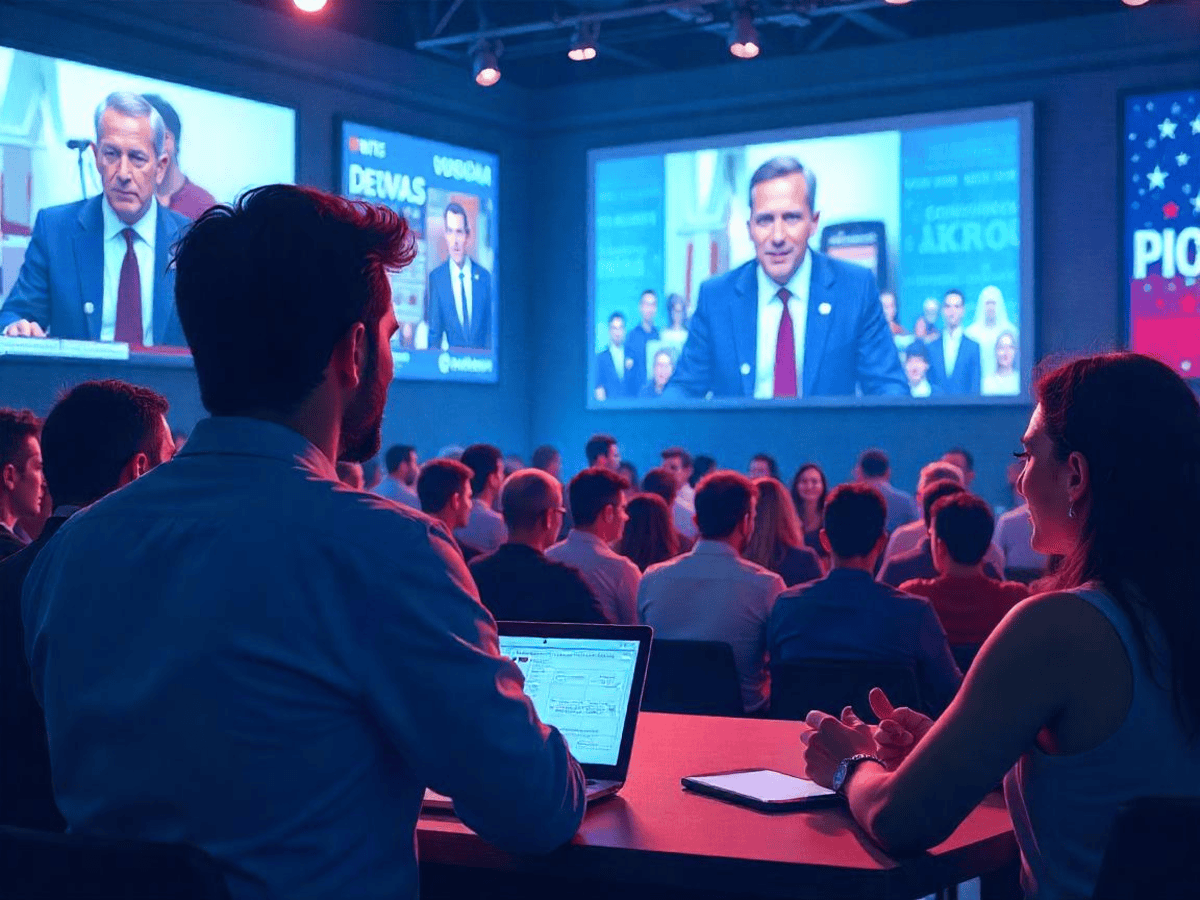
Introduction: A New Era of Political Influence
Modern digital technology causes major changes to how people engage politically. The exclusive dominance of traditional media outlets in political communication no longer exists because of current changes. Social media influencers were previously limited to fashion and fitness and entertainment content but now control the formation of political views and stimulate public voting participation. Younger audiences show clear preference for digital personalities through whom they receive their news and political information. Democracy faces an unknown fate because of these developing trends. We must now study this current development.
The Digital Shift: Social Media as a Political Arena
Traditional news outlets are no longer prominent due to declining reader base which allowed social media networks to rise as vital platforms for political discussion. The younger demographic sets their sights on TikTok together with Instagram and YouTube to receive their information about news and politics. Digital platforms bring more to the table than just practicality since their digital nature provides an engaging experience between users. The distribution of viral content through posts and videos provides a method to simplify complicated political matters so they become easily shareable information that engages citizens in the political process.
Social mediators actively contributed news and political commentary about the 2024 U.S. presidential election which undercut traditional media outlets. The young generation engaged in elections through political partnerships between TikTok user Harry Daniels and Twitch anime catboy VTuber and U.S. presidential candidates Joe Biden and Kamala Harris. The strategy demonstrated how social media influencers have taken on a vital position in political campaigns of today.
The Influencer Effect: Trust and Relatability in Political Messaging
What attributes make political influencers accomplish their tasks through social media so effective? Authenticity together with relatability explains their effectiveness. Traditional politicians differ from influencers through their self-presentations of average people who testify about personal narratives and establish direct relationships with their audiences. Their ability to create a trusting relationship with their followers helps their political recommendations gain enormous influence.
Social media influencers serve as news sources for a significant portion of Americans because Pew Research Center studies indicate twenty percent rely on this channel. Adults aged 30 and younger demonstrate the strongest preference for digital personalities when accessing news since they represent 37% of those obtaining news from these virtual sources. The research demonstrates influencer platform utilization focuses primarily on X (formerly Twitter), Instagram and YouTube given their wide audience reach on different social media networks.
During his 2025 election campaign Australian Prime Minister Anthony Albanese reached out to social media influencers. Through podcast appearances and slang quiz participation Albanese demonstrated how political influencers can create interpersonal relationships with voters by showing they understand their perspective which enables politicians to overcome differences in age and perceptions.
The Double-Edged Sword: Misinformation and Polarization
The increasing number of political influencers maintains new prospects for better participation while generating numerous difficulties. Technical misinformation spread together with heightened polarization rates emerge as serious side effects of this development. The pursuit of engagement combined with profit interests causes influencers to distribute altered political information which creates social divisions.
A Penn State study shows that political parties make policy changes to gain median voter support through alterations made by social media influencers who share distorted political messages. The polarity increase between citizens becomes more apparent when traditional media outlets choose to publish more extreme editorial content.
Influencers faced several difficulties pertaining to political involvement during the 2024 U.S. presidential election year. Influencers dominated election news transmission and political commentary yet their editorial freedom became a problem because they did not work under conventional journalistic standards which allowed misinformation to spread more easily. The Federal Election Commission implemented no requirement for influencers to reveal their paid political campaigns which produces potential transparency problems for political advertising.
Expert Insights: Navigating the Future of Political Influence
We must draw knowledge from professional experts who study digital media and political strategy when we move through this transformed environment. Dr. Political science expert Heike Klüver maintains that digital opinion leaders can influence election outcomes due to their public agenda shaping abilities. The current political landscape demands established political campaigns to build meaningful and moral connections with influencers during their campaigns.
The research paper in Computers in Human Behavior emphasizes that influencer collaborations will become essential components for future electoral campaigns. The research demonstrates how strategic influencer communication needs proper adjustments to match distinct elements of political realities so messages reach their intended audiences genuinely.
Conclusion: Embracing the Power and Responsibility of Political Influencers
Social media influencers have completely changed how people consume political content by rising to power as political figures.